Showing posts with label bulk alkaline battery recycling. Show all posts

Thursday, 3 April 2025

Importance of Alkaline Battery Recycling and How to Safely Dispose of Your Batteries


As the world is becoming increasingly green, it is more important to move life more properly than ever. One of these things that are never thought about recycling are alkaline batteries. Alkaline batteries are used in most household items such as remote control, toys and flashlights, but requires recycling and correct disposal so that the environment is not damaged. 

This blog will talk about why it is important to use alkaline battery recycling, and why it is necessary to use alkaline battery recycling service.  

What Are Alkaline Batteries? 

Alkaline batteries are primary batteries that use an alkaline electrolyte to generate an electric current, usually potassium hydroxide. Alkaline batteries are one of the most widely used consumer batteries, which are due to low cost, long shelf life and frequent performance in low-drain devices. 

Why Is Alkaline Battery Recycling Important?  

There is a need to recycle the alkaline battery for many different reasons. First, it makes the environment clear from harmful chemicals that leak in water and soil. Over time, such as batteries abandoned through normal waste, they deteriorate through the process of time, releasing toxic metals such as lead, mercury and cadmium to the environment. Chemicals will pollute the body, kill animals, and irreversibly damage the ecosystem.  

The recycling of alkaline batteries provides an opportunity to secure and recycle toxic chemicals within them, which reduces environmental damage. Recycling also protects natural resources. Planned chemicals and metals can be recycled in the manufacture of alkaline batteries, so drilling and excavation of fresh raw materials can be brightened. 

The Benefits of Alkaline Battery Recycling 

  • Prevents Environmental Contamination: As stated, incorrect disposal of alkaline batteries accumulates harmful chemicals in the environment. Alkaline battery recycling service prevents such chemicals from entering the streams of water or landfills and resulting in environmental and health threats. 
  • Protection of Natural Resources: Recycling enables battery manufacturers to recycle materials such as zinc, manganese and steel. It acts to reduce mining, which is harmful to the environment because it causes deforestation, pollution and ecosystem. 
  • Reduction in Carbon Footprint: The production of fresh batteries from raw materials is a power-rich process and hence contributes to the carbon footprint. Companies may prevent the consumption of recycling energy-based processes by companies, which can reduce the carbon footprint associated with battery production. 
  • Legal Compliance and Corporate Responsibility: Some nations have laws that make it safe for corporations to recycle or abandon batteries and other e-waste. Recruitment of alkaline battery by alkaline battery recycling feature is an environmentally friendly option, yet laws also bind companies. 

How to Recycle Alkaline Batteries? 

Although the recycling battery is a great thing, not all recycling is the same. Alkaline batteries can be recycled in many ways, but it is smart how and where to recycle them properly.  

  • Local Domestic Battery Recycling Programs: Most cities of the region have space for leaving domestic battery recycling programs or batteries. They recycle the battery safely and send them to processing and recycling plants. This is still prudent, however, to determine if your neighborhood recycling plant accepts alkaline batteries because there are centers that offer only rechargeable batteries or only specific types of waste. 
  • Retailer Drop-Off Programs: Most of the big-box retailers, such as Best Buy, Home Depot, and Lowes, offer in-store recycling programs through which customers can drop off discarded alkaline batteries. The programs are typically no-fee programs that offer a convenient means of recycling batteries when buying a replacement. 
  • Alkaline Battery Recycling Services: A large amount of battery spent for those businesses or companies; an alkaline battery recycling service will most likely be a better option. These services handle the battery in large quantities, they are collected and processed professionally. These companies have regular pickups, making it easier for businesses to remain obedient.  
  • Recycling Events: Some communities have special events, such as the day of electronic waste collection, where they invite people to recycle batteries, electronics, and more. Talk about the events around you with your government or local environment departments. 

The Increasing Significance of Data Disposal and Electronic Waste Disposal 

Even though recycling of alkaline batteries is so important in ensuring the environment remains safe, there is an issue here to acknowledge that electronic waste in general possesses some very huge environmental issues. Data destruction is also a very important matter of concern, for instance, especially for companies that need to see their sensitive data kept safe when disposing of old electronics in a proper way. 

Along with having a complete policy for waste disposal, businesses must also investigate secure data wipe services that shred hard drives and crush electronic devices in a manner that does not allow information to be recovered. Additionally, hiring a professional electronic waste recycling company to dispose of the materials or recycle them safely minimizes their footprint on the earth. 

Conclusion 

Alkaline battery recycling is more important than ever. As individuals and organizations, themselves are conscious of their footprint on Earth, recycling used batteries is a simple yet effective way of contributing to the cause. From local drop-off recycling centers to store drop-off points, using an alkaline battery recycling facility, such used batteries are bound to be disposed of similarly. 

With good disposal habits, individuals and businesses can reduce toxic waste, conserve precious resources, and make the world cleaner and healthier. In addition, businesses need to do more than shred data and recycle e-waste, or their green conscience may begin and end with battery pull-out. If everything little matters, recycling alkaline batteries can be one aspect of the solution to a greener future. 

Wednesday, 26 February 2025

How Alkaline Battery Recycling Service Supports a Greener World?


Given the need to respond to environmental issues that concern us on the rise at the global level, there has been a global push to introduce ethical recycling practices. Among all the numerous causes of pollution and garbage in the environment, alkaline batteries rank close to the top of the priority list. 

The alkaline batteries are found in every consumer commodity such as remote-control battery, flashlight battery, etc. The open dumping of the alkaline batteries exposes the polluted face towards nature, hence an immediate necessity for an alkaline battery recycling service towards the future direction.

Alkaline batteries, usually consisting of zinc and manganese dioxide, usually get thrown into the trash once used, with many people unaware of their environmental impact. The chemical pollutants in the batteries leak into water and earth in the landfill and hence contaminate them. Recycling these batteries is what prevents them from filling up landfills and that they will either be recycled or disposed of in an eco-friendly manner.

The Need for Recycling Alkaline Batteries

Necessitating recycling alkaline batteries more than ever before, alkaline batteries are utilized most widely and therefore end up in mainstream flows of wastage. While other recyclables were always embraced as recyclable by the departments of waste management, alkaline batteries were once considered not to be recyclable by all.

Technology for recycling has evolved a great deal in recent years, and valuable metals and material can be recovered from used batteries, which is a greener alternative to dumping batteries. Used batteries, and their collection are recycled by firms that specialize in alkaline battery recycling in an environmentally friendly way and recycling them wherever it is possible.

The process also involves recycling zinc, poisonous substances, manganese, and other valuable material that can be recycled to produce new products. It not only conserves waste but also natural resources since this serves as a substitute for mining such materials.

The Role of Electronic Recycling

Electronic recycling is among the overall green waste management measures. All home electronics and devices, toys, remote controls, and clocks, among others, use alkaline batteries to function. When such products have reached the end of their useful lives, they are part of the growing issue of electronic waste or e-waste. E-waste contains different materials, some of which are toxic unless recycled.

Many alkaline battery recycling services also provide electronic recycling. Through both battery recycling and e-waste recycling, companies guarantee electronics are recycled.

Electronic recycling is the disassembling of equipment for the recovery of precious metals such as gold, copper, and rare earth materials without the release of toxic chemicals such as mercury and lead. Batteries in devices that are alkaline are drained and disposed of in an environmentally friendly manner, further reducing the damage.

Hardware Data Destruction: Protecting Your Data

Another crucial aspect of electronic recycling is hardware data destruction. As increasingly individuals discard outdated gadgets like computers and phones, sensitive business or personal data from being erased is a significant issue. There is residual information on older devices once erased, and individuals are not aware that it can be employed as leverage.

Some alkaline battery recycling companies provide destruction of data as an addition to their electronics recycling. Some companies use machines that can destroy the data in previously used computers prior to recycling so that confidential data is not stolen. This is especially vital to companies that possess confidential client data or business proprietary data that they want to keep confidential.

Supporting a Greener Future

An alkaline battery recycling facility is not just about handling trash—it gives us a cleaner, greener tomorrow. Recycling electronic waste and batteries prevents us from losing valuable resources, decreases pollution, and provides safer hazardous material disposal. In case of the option to go with a recycling facility, they must be green and should be able to provide various services including electronic recycling and hardware data destruction.

The process of transitioning to a circular economy where resources get remanufactured and recycled is the key to a sustainable future. Recycling services, or alkaline battery recycling service, lead the way in this direction. Consumers and industries can, with their assistance, be part of a greener, cleaner tomorrow, one battery at a time. 

Friday, 7 February 2025

How Do Alkaline Battery Recycling Services Work?

Alkaline battery recycling services typically involve collecting used batteries, then separating the components like plastic casing, steel casing, and the chemical compounds (mainly zinc and manganese oxide) through crushing and sorting processes, allowing the recovered materials to be reused in new products like steel items or as additives in other manufacturing processes, depending on the recycling facility's capabilities; in some regions, due to the relatively low environmental impact, simply throwing away alkaline batteries in regular trash may be acceptable depending on local regulations. 


The complete recycling process of alkaline batteries includes these stages:

  • The collection of used alkaline batteries occurs through consumer-dedicated points which include both retailers and recycling facilities and designated drop-off programs. 

  • The battery sorting process starts with distinct type identification which leads to casing crushing and component separation between plastic material and steel parts and chemical substances. 

  • During chemical processing, the mostly zinc and manganese oxide chemical mix gets transformed into zinc oxide through a rotary kiln procedure for subsequent addition to ceramics and plastics as an ingredient. 

  • Steel casings undergo melting before they become raw material for producing fresh steel products. 

  • Consult the regulatory guidelines of your region to determine the approved procedure for disposing of alkaline batteries within your area. 

  • The recycling capabilities for alkaline batteries exist but lithium-ion batteries need specific recycling methods because of divergent chemical properties. 

  • The Alkaline battery recycling services stand as a positive step yet the environmental impact of the recycling process varies according to the efficiency of the system and in certain areas the practice of discarding batteries through normal waste disposal areas proves acceptable.


The market features two essential types of batteries which include single-use and rechargeable models.


The operating time of single-use batteries reaches its expiration point. The group of single-use alkaline batteries consists of AA, AAA, 9-volt, and D cells. Single-use batteries exist in alarm clocks as well as remotes flashlights and smoke detectors alongside various other equipment. The lifespan of single-use batteries expires which prompts users to install new batteries for replacement.


Rechargeable batteries possess the ability to receive electrical charge for repeated refilling. The batteries exist for repeated usage. These types of batteries exist inside cordless phones as well as smartphones alongside digital cameras. Cordless power tools together with their similar devices rely on rechargeable batteries.


The electric energy generation process within batteries happens through reactive chemical reactions and metals. Valuable materials found in discarded products can be protected when recycled. Single-use alkaline batteries possess a classification as non-hazardous items for disposal. The majority of locations allow you to discard these products.


The recycling techniques for batteries become clearer by using an understanding of battery operating principles. The steel container provides the small metal shell that determines the battery shape. The interior surface of the shell receives a manganese dioxide and conductor-based powder coating referred to as cathode mix. 


On top of the cathode mixture lies paper that serves as a separator to prevent contact with the anode which uses potassium hydroxide electrolyte and zinc powder. A brass pin rests between the battery components at the center while linking to the metal bottom of the battery. There’s also the metal top. The device completion along with the zinc electrolyte reaction enables energy production when this component is placed within electrical equipment.


The compounds found in soy sauce pose environmental risks when entering the air, soil, or water. 


  • The environmental damage occurs from mining procedures to obtain brass raw materials while brass material remains harmless.

  • Manganese Dioxide causes respiratory problems when it reaches excessive amounts in aquatic animal environments.

  • Raising the soil's pH value through its application in water and soil makes the Potassium Hydroxide solution effective. As the solution’s pH level increases it affects particular plant growth and helpful microbial organisms. High water pH levels possess the power to exterminate specific living beings in that environment.

  • Producing steel by mining creates 7% of worldwide carbon dioxide emissions with its extraction process that affects the world. Scientific teams estimate greenhouse emissions caused by this activity reach 30% of the total level.

  • Zinc contamination reaches high levels which enter the soil together with groundwater. Too much zinc dust is present in the environment because this element is crucial for human health but can trigger the development of metal fume fever. Heavy exposure to steel contaminants may result in anemia combined with nervous system problems and lead to stomach pain along with nausea and vomiting.


The battery recycling center ERI implements processes where they separate alkaline batteries from all remaining battery types. Through conveyor belt operations the crushed materials extracted from the aluminum casings rise toward steel removal systems. Zinc and manganese substances transform into pellets designed for future plant fertilizer applications and new battery fabrication. The metal casings from steel batteries become suitable raw materials that can produce additional steel products.


The battery recycling process mainly depends on the quantity of alkaline batteries you possess. Simple disposal of two alkaline batteries becomes more convenient by taking them to retail locations such as Ace Hardware or Home Depot. Businesses need better solutions. ERI enables commercial alkaline battery recycling operations that guard the environment while allowing business customers to support worldwide improvements.


ЕРІ possesses specialization in recycling all battery types including button-cell, mercury, lithium-ion, and alkaline batteries. Contact us for alkaline battery recycling of bulk quantities. We will show you the optimal method to dispose of your batteries. Contact ERI using email or phone numbers to obtain details about their battery recycling services.


All electronic devices with battery operation need proper recycling. The facades pertain to device guest variants such as mobile phones, laptop PCs, and tablets. LCD screens from devices fit for the same type can be recycled at e-waste drop-off points. The chosen electronics recyclers might face limitations when processing total waste or objects with damaged display screens. Recyclable items must go to the trash because when the recycling operation takes place devices may result in human injury. 


The process of data destruction requires performers to remove data through physical or logical methods before discarding the hardware. Two methods exist for demagnetizing waste media: the large magnet technique of degaussing and the physical destruction of the device into small chunks. 


Simple file deletion along with equipment reformats fails to remove data completely. Most data recovery equipment makes those information removal techniques ineffective since it continues to locate deleted data. Public hardware information destruction services provide specialized top-level services that prevent data recovery. 


And that’s all. You should now understand why Local Electronic Recycling and Alkaline Battery Recycling are essential by reading this complete information and following the procedure description.

Wednesday, 31 July 2024

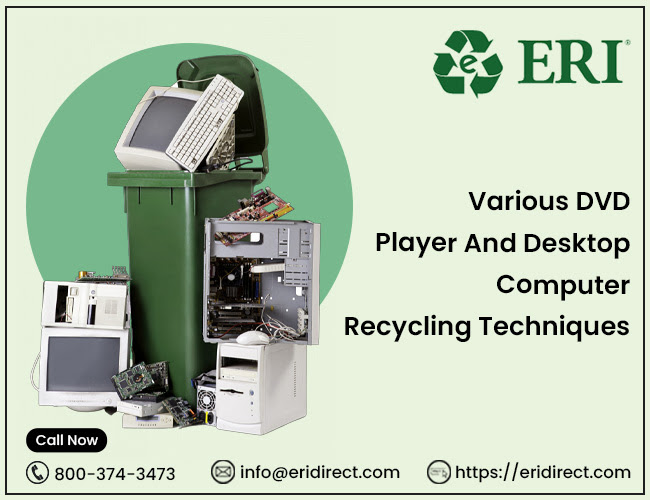
Various DVD Player And Desktop Computer Recycling Techniques

The tech world around us has undoubtedly created a completely new world but more concerns need to be addressed too. The day-to-day generation of new gadgets leads to a lot of wastage of elements and products. Well, there is a solution. Electronic recycling for government is an initiative taken and we need to know about it in a detailed manner.


Let us dive deeper into this blog and learn in detail about E-waste recycling and desktop computer recycling.

What is E-Waste Recycling and What Products Are Recycled in E-Waste?

The e-waste recycling process is the procedure of taking the e-waste into pieces and segregating it between distinctive segments. This includes ferrous metals like copper, and aluminum and non-ferrous metals like glass, and plastics, where the recycled materials are extracted from the scrapped products and used in the manufacture of new products while nondegradable hazardous substances such as lead, cadmium, and mercury are recycled by ways of proper disposal.

Purpose of E-Waste Recycling

For those who also aiming to recycle both the computer monitor and cell phones, it is necessary to inform you that these devices contain some hazardous substances such as lead. Similar to cell phones, the monitors should be disposed of through e-waste facility-accredited recycling firms. Most of the recycling programs have different centers where one can drop off both the cell phones and the computer monitors and have them recycled.


DVD Player Recycling Methods

DVD players are electrical gadgets that may be recycled rather than being dumped in landfills. Here are some methods for DVD player recycling


  • Recycling: Some other electronics stores and recycling firms take DVD players for recycling. They will also disassemble the device and reuse the constituent components for the fabrication of new products. Find a recycling center that is close to you that takes electronic waste. 

  • Donation: In case your DVD player is still in working condition, then the best thing you can do is to take it to a charity organization or non-governmental organization of your choice. They either incorporate it in the implementation of their programs or produce it and sell it for the funding of their programs. 

  • Hazardous Materials: DVD players could have such materials as lead or mercury, which are considered dangerous substances. It is recommended not to dispose of them alongside the normal trash as this can cause harm to the environment. This way, recycling or proper disposal of this hazardous material is properly managed and done correctly.

Desktop Computer Recycling

We can’t exclude e-waste recycling in the world of digitalization, where we live in. The recycling of electronics is an extreme environmental threat that contributes to instances of toxic substances being emitted into the atmosphere. Thus, this recycling delivers a hundred percent solution to use the material that has been recovered from mother nature and minimize its unfavorable effects.

Wrapping Up

DVD player recycling, desktop computer recycling, and e-waste recycling are not as easy as tossing the old models of phones in the garbage basket, it really needs effort. It pertains to the assurance of each phase of the procedure. ranging from the last stage of recycling to the absolute disposal of data. Each of them is done with utter professionalism and every stage is managed carefully. You are a virtuous entity as far as the environment is concerned, as you encourage environmentally friendly activities and endorse suitable recycling practices. and the future that will be hence come as an ecological one.

Frequently Asked Questions

1. What can DVDs be recycled into?

Return the CD or DVD with its plastic/card case and paper insert and these will be recycled into new products. return them to a charity shop, or take them to a CD or DVD recycling center, and if they still contain data that is no longer useful, sell them. taken and used them in the garden to repel the birds or in a project involving children to make bright shining articles.


2. How are CDs and DVDs recycled?

According to the electronic recycling for the government, specialized recycling companies will clean, grind, blend, and compound the CDs and DVDs into plastic that can be reused for items such as auto parts, office equipment, and street lights.

Thursday, 28 December 2023

Green Gadgets: A Guide to Responsible Electronic Recycling Practices

In our fast-paced digital age, electronic devices have become an integral part of our lives. However, as we embrace the latest gadgets, it's crucial to consider the environmental impact of electronic waste. This blog is your guide to responsible electronic recycling practices, with a focus on data destruction, local electronic recycling, and the overall importance of electronic recycling.

The Environmental Toll of Electronic Waste

With the rapid evolution of technology, the life cycle of electronic devices is growing shorter, contributing to a surge in electronic waste. From old smartphones to outdated laptops, improperly discarded gadgets can harm the environment and pose risks to human health. Responsible electronic recycling is the key to mitigating these environmental hazards.


1. Data Destruction: Protecting Your Digital Footprint

When parting ways with electronic devices, safeguarding your personal and sensitive data is paramount. Data destruction is a critical aspect of responsible electronic recycling. Before recycling your gadget, ensure that all personal information is securely wiped. Many reputable electronic recycling services offer data destruction as a part of their comprehensive recycling process, giving you peace of mind that your digital footprint is erased.

2. Local Electronic Recycling: Supporting Sustainable Practices

Supporting local electronic recycling initiatives is an excellent way to contribute to sustainable practices. Local electronic recycling not only reduces the carbon footprint associated with transportation but also supports the growth of environmentally conscious businesses in your community. Explore local recycling centers or electronic recycling events to conveniently dispose of your gadgets while promoting sustainable practices at the grassroots level.

Responsible Electronic Recycling Practices

3. Choose Certified Recyclers: Ensuring Environmental Compliance

Opting for certified electronic recyclers is crucial to ensuring that your gadgets are processed in an environmentally compliant manner. Look for certifications such as R2 (Responsible Recycling) or e-Stewards, which signify adherence to strict environmental and ethical standards. Certified recyclers prioritize proper handling, disposal, and recycling of electronic waste.

4. Extended Producer Responsibility (EPR): Holding Manufacturers Accountable

Advocate for extended producer responsibility (EPR) to encourage manufacturers to take responsibility for the end-of-life disposal of their products. EPR programs promote sustainable product design and responsible electronic recycling practices by placing the onus on manufacturers to manage the environmental impact of their devices.

Conclusion

As we strive for a more sustainable future, responsible electronic recycling practices play a crucial role in reducing the environmental footprint of our digital lifestyles. From prioritizing data destruction to actively participating in local electronic recycling initiatives, each individual's efforts contribute to a more sustainable and eco-friendly tech landscape. Embrace green gadgets and be a steward of the environment by incorporating responsible electronic recycling practices into your tech-savvy lifestyle. 

Thursday, 14 December 2023

E-Waste And Public Health: Examining The Health Impacts Of Improper Disposal

With rapid technological advancement, the ubiquity of electronic devices has become a hallmark of modern living. However, the proliferation of electronic gadgets comes with a hidden menace – electronic waste or e-waste. This comprehensive exploration delves into the ramifications of improper disposal of e-waste on public health. As we examine the potential health impacts, it becomes imperative to shed light on the importance of electronic recycling, emphasizing the role of national electronic recycling initiatives. From the environmental footprint to the intricacies of public health, this guide navigates the intricate landscape of e-waste, underscoring the significance of responsible disposal practices.


Electronic Recycling: A Vital Imperative

The Proliferation of E-Waste

The amount of e-waste generated by electronic gadget upgrades has increased at an unprecedented rate. Discarded cell phones, out-of-date laptops, and broken devices add to the growing mountain of electronic waste, creating a complex problem that affects public health in addition to the environment.

The Environmental Footprint

E-waste is more than just a pile of broken electronics; it's a serious environmental problem with far-reaching effects. Toxic materials including lead, mercury, and cadmium are released into the environment when electronic equipment are disposed of improperly, contaminating the land, water, and air. Comprehending the environmental consequences is crucial for appreciating the ensuing health hazards that communities face.

The Health Impacts of Improper Disposal

Respiratory and Cardiovascular Risks

There are serious respiratory concerns associated with the emission of toxic compounds into the air during the incineration or landfilling of e-waste. People who live close to these disposal sites could breathe in harmful vapors that cause respiratory conditions including bronchitis and asthma. Furthermore, the contaminants have the ability to enter the bloodstream and exacerbate cardiovascular problems.

Soil and Water Contamination

E-waste that is not properly disposed of contaminated land and water, which has an impact on water supplies and agricultural output. When harmful substances seep into the ground, they have the potential to enter the food chain and endanger the long-term health of people who consume contaminated water and crops.

The Role of Electronic Recycling

Mitigating Health Risks Through Responsible Practices

Electronic recycling emerges as a potent solution to mitigate the health risks associated with improper e-waste disposal. Recycling centers employ environmentally friendly methods to extract valuable materials from electronic devices while ensuring the safe disposal of hazardous components. National electronic recycling initiatives play a pivotal role in raising awareness and creating accessible avenues for responsible disposal.

Creating a Circular Economy

The concept of a circular economy underscores the importance of recycling in minimizing waste and environmental impact. By recycling electronic devices, valuable materials are reintegrated into the manufacturing process, reducing the demand for raw materials and lessening the environmental burden. This cyclical approach not only benefits the planet but also safeguards public health.

National Electronic Recycling Initiatives: A Call to Action

Governmental Involvement

Recognizing the urgency of addressing e-waste, national electronic recycling initiatives have gained momentum. Governments are increasingly investing in awareness campaigns and establishing recycling infrastructure to facilitate responsible disposal. By incorporating e-waste management into national policies, governments contribute to the protection of public health.

Public Participation

Public engagement is essential for national electronic recycling programs to succeed. Businesses and individuals alike need to be aware of the effects of the electronics they use and take proactive measures to recycle electronics in an ethical manner. Campaigns to raise public awareness are essential to promoting a responsible culture around the disposal of e-waste.

The Human Element: Bridging Awareness and Action

Empowering Communities

At the heart of e-waste management are the communities directly impacted by improper disposal practices. Empowering these communities with knowledge about the health risks associated with e-waste and providing accessible avenues for electronic recycling cultivates a sense of collective responsibility.

Educational Outreach

Educational outreach programs serve as a conduit for disseminating information about the importance of electronic recycling. By integrating e-waste awareness into school curricula and community workshops, the next generation is equipped with the knowledge to make informed choices for a sustainable future.

A Harmonious Balance

In confronting the intricate relationship between e-waste and public health, the imperative of responsible electronic recycling surfaces as a beacon of hope. National electronic recycling initiatives, coupled with individual and communal commitment, form a harmonious balance that safeguards both the environment and public health.  

Friday, 1 December 2023

The Importance of Alkaline Battery Recycling Services in Environmental Conservation

In an era driven by technological advancements, batteries have become an integral part of our daily lives, powering everything from remote controls to electronic gadgets. While the convenience of alkaline batteries is undeniable, their environmental impact raises significant concerns. Alkaline battery recycling service emerge as a vital solution in the journey towards environmental conservation, addressing the challenges posed by battery waste. In this blog, we'll delve into the importance of alkaline battery recycling, the role of these services, the benefits, and the broader scope of electronic recycling.


1. Alkaline Battery Recycling: A Green Imperative

The ubiquitous use of alkaline batteries comes with a hidden environmental cost. Traditional disposal methods can lead to soil and water contamination due to the hazardous materials within these batteries. Alkaline battery recycling is a green imperative, offering a sustainable solution that prevents the release of harmful chemicals into the environment.

2. The Role of Alkaline Battery Recycling Services

These services play a pivotal role in responsible waste management. These specialized services ensure that used batteries are collected, processed, and recycled in an environmentally friendly manner. By partnering with reputable recycling services, individuals and businesses contribute to a circular economy, where materials are reused, reducing the demand for raw resources.
Electronic recycling

3. Bulk Alkaline Battery Recycling: Scaling Up Impact

For businesses and organizations generating a significant volume of battery waste, opting for bulk recycling makes both economic and environmental sense. Bulk recycling services are designed to handle larger quantities efficiently, streamlining the process and maximizing the recovery of valuable materials. This approach not only reduces disposal costs for businesses but also minimizes the ecological footprint associated with battery disposal.

4. The Environmental Benefits of Electronic Recycling

Alkaline batteries are just one component of the electronic waste (e-waste) stream. Electronic recycling, encompassing the responsible disposal and recycling of various electronic devices, contributes to a more sustainable future. By recycling electronics, including batteries, valuable materials like metals can be reclaimed, reducing the need for resource extraction and minimizing the environmental impact associated with manufacturing new products.

5. A Circular Approach to Battery Recycling

Alkaline battery recycling services operate on a circular approach, emphasizing the recovery and reuse of materials. Through a series of sophisticated processes, recyclers extract metals like zinc and manganese from used batteries, which can then be used in the production of new batteries or other products. This circular model not only conserves resources but also reduces energy consumption compared to traditional mining and manufacturing processes.

6. The Consumer's Role in Environmental Stewardship

Individuals hold a significant role in the success of alkaline battery recycling initiatives. Proper disposal, segregation, and collection of used batteries are essential steps in supporting recycling efforts. By choosing to recycle their alkaline batteries, consumers actively participate in environmental stewardship, contributing to the conservation of natural resources and the reduction of hazardous waste.

7. The Economic Incentive for Alkaline Battery Recycling

Aside from the environmental benefits, there is an economic incentive for alkaline battery recycling. Recovering valuable materials from used batteries reduces the demand for raw resources, ultimately impacting the market dynamics of these materials. This not only helps in conserving natural resources but also fosters a more sustainable and circular economy.

Conclusion

The importance of alkaline battery recycling services cannot be overstated in the pursuit of environmental conservation. By actively participating in the recycling process, individuals, businesses, and organizations contribute to a cleaner, greener future. From preventing hazardous materials from entering landfills to reclaiming valuable metals for reuse, it plays a crucial role in shaping a more sustainable and responsible approach to waste management.