Showing posts with label electronic recycling. Show all posts

Thursday, 5 June 2025

Importance of IT Asset Disposition in the Protection of Your Company's Sensitive Data


In today's digital world, information is one of the most valuable assets that a company can have. From customer information and accounting records to intellectual property and proprietary software, your firm's hardware has mass sensitive information. But what happens when that device reaches the end of its lifetime? This is the place where IT asset disposition (ITAD) is no longer a matter of logistics, but complete security is mandatory.  

Understanding IT Asset Disposal (ITAD)  

IT asset disposal means retirement, recycling, or revival of old or unused computer hardware safely and responsibly. It covers everything from desktop and laptop computers to servers, smartphones, keyboards, monitors, and copiers. But ITAD is not only about the disposal of chronic technology - it is about settling in this way that protects data, is environmentally friendly, and complies with rules such as Hipaa, GDPR and SOX. 

Improper ITAD procedures can cause data breaches, legal exposure, and serious reputational harm. As such, companies need to have a safe, end-to-end ITAD program.   

The Security Risks of Improper Asset Disposal 

Most organizations fall into the trap of believing that deleting files or carrying out a general reset will erase sensitive data from a device. Sadly, this is very far from the case. Poor data sanitization techniques expose companies to: 

  • Data breaches 

  • Corporate spying   

  • Identity theft 

  • Regulatory fines 

Devices such as hard drives, smartphones, printers, and even keyboards can cache passwords, keystrokes, or cached documents. Without a secure IT asset disposition, that data will end up in the wrong hands. 

Why is ITAD Non-Negotiable for Data Protection? 

Here's why secure ITAD is critical for every company: 

  • Certified Data Destruction: A trusty ITAD partner will ensure that all devices are handled with certified data destruction. Be it through degaussing, shredding, or certified wiping, the processes guarantee that your data is destroyed before the asset is taken away from your site. 

  • Audit Trails and Compliance: Great ITAD vendors provide advanced reporting and chain-of-custody documentation, providing you complete transparency into where your gear is sent, how it is treated, and when data is obliterated. This is essential for compliance with industry regulations and successful audit passes. 

  • Environmental Responsibility: IT asset disposition is not only about safeguarding data - it's also about safeguarding the earth. With an environmentally responsible ITAD partner, your business assure that parts are recycled in a responsible manner rather than disposed of in a landfill. 

The Role of Recycling in Secure ITAD 

Besides data protection, recycling individual components such as keyboards, monitors, and phones is an essential component of any solid ITAD strategy. 

  • Keyboard Recycling: Though sometimes neglected, keyboards can hold residual user data, including keystrokes gathered from spyware or stored credentials from embedded programmable keys. Keyboard recycling guarantees these peripherals are properly decommissioned, sanitized, and reused without danger to your company's data. 

  • Cell Phone Recycling: Smartphones are mines of confidential information. From company emails and texts to client contact information and login credentials for apps, phones need to be thoroughly sanitized. Cell phone recycling with a reputable partner guarantees that SIM cards, internal storage, and even Bluetooth information get erased before the phone gets destroyed or sold. 

  • Computer Monitor Recycling: Though computer monitor recycling is not necessarily a data-sensitive process, certain monitors - especially smart displays - do retain cache memory or access cloud accounts. Recycling those via a secure ITAD process removes any network traces and configurations before disposal. 

  • Copy Machine Recycling: Copy machine recycling is the most underappreciated ITAD component. New copiers and multifunction printers contain hundreds - if not thousands - of documents stored on internal hard drives. Recycling these devices without data sanitization poses a grave security threat. Hard drive removal and destruction are part of a full ITAD program in copy machine recycling. 

Financial and Legal Advantages of Safe ITAD 

In addition to preventing data breaches, having a well-planned ITAD strategy has other benefits: 

  • Cost Recovery: Some aged hardware still retains some market value. A responsible ITAD partner can resell or refurbish the machines, enabling you to recover some expenses. 

  • Regulatory Compliance: As data protection regulations stiffen globally, possessing a rock-solid ITAD policy prevents expensive fines. 

  • Corporate Reputation: Proving your dedication to data security and sustainability fosters trust with clients, employees, and shareholders.  

Conclusion  

Whether you're replacing office equipment or advancing through digital transformation, your retired devices shouldn't be an afterthought. With data security, regulatory compliance, and the environment all on the line, IT asset disposition needs to be a priority. 

From computer monitor recycling to copy machine recycling, from cell phone recycling to keyboard recycling, each step of the ITAD process ought to be approached with professionalism, precision, and purpose. 

Don't see your old technology become a new headache - safeguard your data and your reputation with a secure ITAD solution that delivers.

Thursday, 20 March 2025

Alkaline Battery Recycling: A Necessity for Data Wipe and Eco-Friendliness


With the world being increasingly powered by technology, ethical recycling services cannot be ignored anymore. With the rapid growth in the usage of electronic devices, batteries - or rather alkaline batteries - are becoming a necessity in our lives. The alkaline batteries that power our normal household items, remote control, toys and flashlights activate our equipment. However, these batteries can have significant environmental and safety effects if properly not dealt with. This is the place where the alkaline battery recycling comes into play. 

While consumers don't always have battery recycling in mind, increased demand for green solutions and data security has put the industry back on track for safe disposal and recycling. The post below explains the importance of alkaline battery recycling, its relation to data destruction, and why companies and individuals should utilize an alkaline battery recycling service for environmentally friendly and safe disposal. 

Understanding Alkaline Battery Recycling

Alkaline batteries are the most common disposable batteries found in homes and workplaces. The alkaline battery contains toxic chemicals such as zinc and manganese and other metals that will be harmful when it is uncontrolled in the environment. They bite water and ground to dispose of landfills and leave for leakage and can cause permanent long -term damage to the ecosystem.  

The recycling of alkaline batteries involves safe processing, recycling and reuse of materials used in these batteries. Recycling alkaline batteries can neutralize or recycle toxic chemicals, such as they cannot ruin the environment in landfill by their way. Recycling also allows for conservation of valuable resources such as zinc, steel and manganese as new batteries and other products are rebuilt when they are produced. 

Why Recycling an Alkaline Battery is Important?

  • Environmental Protection: Chemicals within alkaline batteries, including mercury, lead and cadmiums, are not just detrimental to the environment, but also pose health hazards to human beings. When these chemicals leak into air, water or soil by unfair disposal, they can lead to long -term ecosystem disruption in the local region. Recycling minimizes the environmental impact by treating these materials and reusing them in a secure manner. 

  • Waste Reduction: The battery contributes a lot to the continuous waste problem. Alkaline battery recycling service helps customers and businesses to avoid inserting products in landfills, where they persist for hundreds of years before disintegrating. Every battery recycled helps prevent more waste from accumulating, fostering a cleaner, greener planet. 

  • Legal Compliance and Corporate Responsibility: For businesses, responsible disposal of dangerous materials including batteries often require. Recycling alkaline batteries ensures that businesses meet environmental rules, avoid potential penalties, and display a commitment to stability. 

  • Protection of Resources: The components of alkaline batteries such as steel, manganese and zinc are limited resources. Recycling the batteries saves us from the extraction and mining of raw materials, which conserves natural resources for the future. Recycling corrects these metals and makes them available for use in new products, which decreases the demand for raw materials. 

Data Destruction and Alkaline Battery Recycling 

While the relationship between data destruction and recycling of alkaline batteries is not necessarily a foregoing conclusion, two activities share similarities in which they include both valuable resources protecting and discovered from confidential data. Data destruction is the process of overwriting or physically destroying data on a hard disk, server, or other media so that it can no longer be accessed by unauthorized individuals and protect against privacy violations. 

Though destruction of data protects computer data, recycling of alkaline batteries avoids the destruction of toxic materials and decreases damage to human beings and the environment. Proper recycling and disposal of materials such as batteries are of utmost importance to business entities and institutions handling sensitive information. These types of companies will usually ensure safe data destruction procedures, but they have to also ensure other electronic waste, such as used batteries, is being destroyed properly. 

The Role of Alkaline Battery Recycling Services

Recycling units for alkaline batteries are now mandatory for consumers and businesses in the attempt to enable them to recycle old batteries safely. Recycling units enable people to gather and recycle their batteries in a simple and safe manner so that they won't be disposed of in landfills where they might cause harm. 

This is how an alkaline battery recycling unit works: 

  • Sorting and Collection: These organizations have collection points or pick-up centers for batteries, and thus it is easy for individuals and companies to dispose of their used alkaline batteries. Batteries are sorted so that the right material to recycle can be identified. 

  • Safe Processing: Reputable alkaline battery recycling service providers use advanced technology to recycle the alkaline battery and process and destroy them in a safe environment. They fix metals such as zinc and manganese, which are naturally valuable and can be recycled to create new batteries and other items. 

  • Compliance and Documentation: Recruitment of alkaline batteries ensures compliance with local as well as international laws. All services provide documentation that ensures safe recycling and battery disposal, which is necessary for business organizations that legally monitor their waste disposal process. 

  • Environmental Benefits: Through the services of a professional company, customers are guaranteed that their battery is in the hands of experts who care for stability. They keep in mind that the entire recycling process from the collection makes sure to settle with the guarantee that toxins never reach the environment. 

Conclusion

Increased relevance of alkaline battery recycling services highlights the necessity of environmentally friendly and sustainable methods in our technology-driven world. Recycling alkaline batteries is one way in which we can make the environment safe, preserve resources, and promote cleaner, greener options. 

Whether individually or as a company, the right thing to recycle batteries and other electronic materials makes a substantial difference. To a consumer on the lookout for a reliable, green solution, searching for an experienced alkaline battery recycling company is a simple yet effective first step towards helping clean up the planet. 


Wednesday, 26 February 2025

How Alkaline Battery Recycling Service Supports a Greener World?


Given the need to respond to environmental issues that concern us on the rise at the global level, there has been a global push to introduce ethical recycling practices. Among all the numerous causes of pollution and garbage in the environment, alkaline batteries rank close to the top of the priority list. 

The alkaline batteries are found in every consumer commodity such as remote-control battery, flashlight battery, etc. The open dumping of the alkaline batteries exposes the polluted face towards nature, hence an immediate necessity for an alkaline battery recycling service towards the future direction.

Alkaline batteries, usually consisting of zinc and manganese dioxide, usually get thrown into the trash once used, with many people unaware of their environmental impact. The chemical pollutants in the batteries leak into water and earth in the landfill and hence contaminate them. Recycling these batteries is what prevents them from filling up landfills and that they will either be recycled or disposed of in an eco-friendly manner.

The Need for Recycling Alkaline Batteries

Necessitating recycling alkaline batteries more than ever before, alkaline batteries are utilized most widely and therefore end up in mainstream flows of wastage. While other recyclables were always embraced as recyclable by the departments of waste management, alkaline batteries were once considered not to be recyclable by all.

Technology for recycling has evolved a great deal in recent years, and valuable metals and material can be recovered from used batteries, which is a greener alternative to dumping batteries. Used batteries, and their collection are recycled by firms that specialize in alkaline battery recycling in an environmentally friendly way and recycling them wherever it is possible.

The process also involves recycling zinc, poisonous substances, manganese, and other valuable material that can be recycled to produce new products. It not only conserves waste but also natural resources since this serves as a substitute for mining such materials.

The Role of Electronic Recycling

Electronic recycling is among the overall green waste management measures. All home electronics and devices, toys, remote controls, and clocks, among others, use alkaline batteries to function. When such products have reached the end of their useful lives, they are part of the growing issue of electronic waste or e-waste. E-waste contains different materials, some of which are toxic unless recycled.

Many alkaline battery recycling services also provide electronic recycling. Through both battery recycling and e-waste recycling, companies guarantee electronics are recycled.

Electronic recycling is the disassembling of equipment for the recovery of precious metals such as gold, copper, and rare earth materials without the release of toxic chemicals such as mercury and lead. Batteries in devices that are alkaline are drained and disposed of in an environmentally friendly manner, further reducing the damage.

Hardware Data Destruction: Protecting Your Data

Another crucial aspect of electronic recycling is hardware data destruction. As increasingly individuals discard outdated gadgets like computers and phones, sensitive business or personal data from being erased is a significant issue. There is residual information on older devices once erased, and individuals are not aware that it can be employed as leverage.

Some alkaline battery recycling companies provide destruction of data as an addition to their electronics recycling. Some companies use machines that can destroy the data in previously used computers prior to recycling so that confidential data is not stolen. This is especially vital to companies that possess confidential client data or business proprietary data that they want to keep confidential.

Supporting a Greener Future

An alkaline battery recycling facility is not just about handling trash—it gives us a cleaner, greener tomorrow. Recycling electronic waste and batteries prevents us from losing valuable resources, decreases pollution, and provides safer hazardous material disposal. In case of the option to go with a recycling facility, they must be green and should be able to provide various services including electronic recycling and hardware data destruction.

The process of transitioning to a circular economy where resources get remanufactured and recycled is the key to a sustainable future. Recycling services, or alkaline battery recycling service, lead the way in this direction. Consumers and industries can, with their assistance, be part of a greener, cleaner tomorrow, one battery at a time. 

Wednesday, 31 July 2024

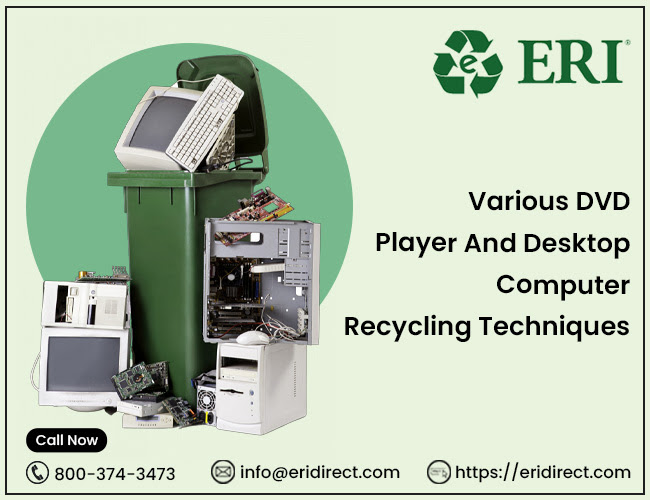
Various DVD Player And Desktop Computer Recycling Techniques

The tech world around us has undoubtedly created a completely new world but more concerns need to be addressed too. The day-to-day generation of new gadgets leads to a lot of wastage of elements and products. Well, there is a solution. Electronic recycling for government is an initiative taken and we need to know about it in a detailed manner.


Let us dive deeper into this blog and learn in detail about E-waste recycling and desktop computer recycling.

What is E-Waste Recycling and What Products Are Recycled in E-Waste?

The e-waste recycling process is the procedure of taking the e-waste into pieces and segregating it between distinctive segments. This includes ferrous metals like copper, and aluminum and non-ferrous metals like glass, and plastics, where the recycled materials are extracted from the scrapped products and used in the manufacture of new products while nondegradable hazardous substances such as lead, cadmium, and mercury are recycled by ways of proper disposal.

Purpose of E-Waste Recycling

For those who also aiming to recycle both the computer monitor and cell phones, it is necessary to inform you that these devices contain some hazardous substances such as lead. Similar to cell phones, the monitors should be disposed of through e-waste facility-accredited recycling firms. Most of the recycling programs have different centers where one can drop off both the cell phones and the computer monitors and have them recycled.


DVD Player Recycling Methods

DVD players are electrical gadgets that may be recycled rather than being dumped in landfills. Here are some methods for DVD player recycling: 


  • Recycling: Some other electronics stores and recycling firms take DVD players for recycling. They will also disassemble the device and reuse the constituent components for the fabrication of new products. Find a recycling center that is close to you that takes electronic waste. 

  • Donation: In case your DVD player is still in working condition, then the best thing you can do is to take it to a charity organization or non-governmental organization of your choice. They either incorporate it in the implementation of their programs or produce it and sell it for the funding of their programs. 

  • Hazardous Materials: DVD players could have such materials as lead or mercury, which are considered dangerous substances. It is recommended not to dispose of them alongside the normal trash as this can cause harm to the environment. This way, recycling or proper disposal of this hazardous material is properly managed and done correctly.

Desktop Computer Recycling

We can’t exclude e-waste recycling in the world of digitalization, where we live in. The recycling of electronics is an extreme environmental threat that contributes to instances of toxic substances being emitted into the atmosphere. Thus, this recycling delivers a hundred percent solution to use the material that has been recovered from mother nature and minimize its unfavorable effects.

Wrapping Up

DVD player recycling, desktop computer recycling, and e-waste recycling are not as easy as tossing the old models of phones in the garbage basket, it really needs effort. It pertains to the assurance of each phase of the procedure. ranging from the last stage of recycling to the absolute disposal of data. Each of them is done with utter professionalism and every stage is managed carefully. You are a virtuous entity as far as the environment is concerned, as you encourage environmentally friendly activities and endorse suitable recycling practices. and the future that will be hence come as an ecological one.

Frequently Asked Questions

1. What can DVDs be recycled into?

Return the CD or DVD with its plastic/card case and paper insert and these will be recycled into new products. return them to a charity shop, or take them to a CD or DVD recycling center, and if they still contain data that is no longer useful, sell them. taken and used them in the garden to repel the birds or in a project involving children to make bright shining articles.


2. How are CDs and DVDs recycled?

According to the electronic recycling for the government, specialized recycling companies will clean, grind, blend, and compound the CDs and DVDs into plastic that can be reused for items such as auto parts, office equipment, and street lights.

Thursday, 28 December 2023

Green Gadgets: A Guide to Responsible Electronic Recycling Practices

In our fast-paced digital age, electronic devices have become an integral part of our lives. However, as we embrace the latest gadgets, it's crucial to consider the environmental impact of electronic waste. This blog is your guide to responsible electronic recycling practices, with a focus on data destruction, local electronic recycling, and the overall importance of electronic recycling.

The Environmental Toll of Electronic Waste

With the rapid evolution of technology, the life cycle of electronic devices is growing shorter, contributing to a surge in electronic waste. From old smartphones to outdated laptops, improperly discarded gadgets can harm the environment and pose risks to human health. Responsible electronic recycling is the key to mitigating these environmental hazards.


1. Data Destruction: Protecting Your Digital Footprint

When parting ways with electronic devices, safeguarding your personal and sensitive data is paramount. Data destruction is a critical aspect of responsible electronic recycling. Before recycling your gadget, ensure that all personal information is securely wiped. Many reputable electronic recycling services offer data destruction as a part of their comprehensive recycling process, giving you peace of mind that your digital footprint is erased.

2. Local Electronic Recycling: Supporting Sustainable Practices

Supporting local electronic recycling initiatives is an excellent way to contribute to sustainable practices. Local electronic recycling not only reduces the carbon footprint associated with transportation but also supports the growth of environmentally conscious businesses in your community. Explore local recycling centers or electronic recycling events to conveniently dispose of your gadgets while promoting sustainable practices at the grassroots level.

Responsible Electronic Recycling Practices

3. Choose Certified Recyclers: Ensuring Environmental Compliance

Opting for certified electronic recyclers is crucial to ensuring that your gadgets are processed in an environmentally compliant manner. Look for certifications such as R2 (Responsible Recycling) or e-Stewards, which signify adherence to strict environmental and ethical standards. Certified recyclers prioritize proper handling, disposal, and recycling of electronic waste.

4. Extended Producer Responsibility (EPR): Holding Manufacturers Accountable

Advocate for extended producer responsibility (EPR) to encourage manufacturers to take responsibility for the end-of-life disposal of their products. EPR programs promote sustainable product design and responsible electronic recycling practices by placing the onus on manufacturers to manage the environmental impact of their devices.

Conclusion

As we strive for a more sustainable future, responsible electronic recycling practices play a crucial role in reducing the environmental footprint of our digital lifestyles. From prioritizing data destruction to actively participating in local electronic recycling initiatives, each individual's efforts contribute to a more sustainable and eco-friendly tech landscape. Embrace green gadgets and be a steward of the environment by incorporating responsible electronic recycling practices into your tech-savvy lifestyle. 

Wednesday, 15 November 2023

Electronic Recycling And Disposal – Imperative Things To Know About Them

In our increasingly digital world, electronic devices have become an integral part of our daily lives. However, with the rapid pace of technological advancement comes a growing concern: electronic waste, or e-waste. The disposal of old electronic gadgets poses a significant environmental challenge, with harmful materials seeping into landfills and posing a threat to ecosystems. The rise of local electronic recycling companies has brought about a positive change, offering sustainable solutions to manage and reduce the impact of e-waste.

E-waste comprises discarded electronic devices, ranging from smartphones and laptops to refrigerators and washing machines. According to a report by the Global E-Waste Statistics Partnership, the world generated approximately 53.6 million metric tons of e-waste in 2019, and this number is expected to rise by 21% by 2030. Managing this ever-growing stream of electronic waste is crucial for the health of our planet and future generations.


Contact local e-waste companies, the unsung heroes in the battle against e-waste. These businesses play a crucial role in collecting, processing, and responsibly disposing of electronic devices, ensuring that valuable materials are recovered and hazardous substances are handled properly. Local electronic recycling companies establish collection points within communities, making it convenient for residents to drop off their old devices. These companies often organize e-waste collection events or partner with local businesses and municipalities to facilitate the process. Once collected, the devices are sorted based on their type and condition.

Data security is a paramount concern when disposing of electronic devices. Reputable electronic recycling providers prioritize the secure erasure or destruction of sensitive data to protect individuals and businesses from the risks of identity theft and unauthorized access. Local electronic recycling companies employ advanced technologies to extract valuable materials from old devices while minimizing environmental impact. This includes the recovery of precious metals, plastics, and other components that can be reused in the manufacturing of new products.

Many electronic recycling providers actively engage in community outreach and education programs. By raising awareness about the importance of recycling e-waste and the potential environmental consequences of improper disposal, these companies empower individuals to make informed choices. Local electronic recycling companies are instrumental in mitigating the environmental impact of our digital lifestyles. By responsibly managing e-waste, these companies contribute to resource conservation, pollution prevention, and the overall well-being of our planet. As consumers, we play a crucial role in supporting these efforts by making informed choices about how we dispose of our electronic devices. Together, we can build a more sustainable future for generations to come.

Tuesday, 31 October 2023

The Controversial Truth About Electronic Recycling Services

Ever wonder what happens to outdated electronics that you throw in the recycling? Given how quickly technology is developing and how many old gadgets we have, electronic recycling service have become essential in today's world. Although these services appear to offer an environmentally responsible way to get rid of electronic garbage, there is a contentious reality that lies behind the surface. 

The Promise of Electronic Recycling Services

For those who care about the environment, electronic recycling services—which are frequently hailed as the solution to our ever-increasing e-waste problem—seem like a ray of hope. With the help of these services, it may be possible to reroute electronic gadgets from landfills to ethical recycling facilities. Fundamentally, the goal of electronic recycling services is to extract valuable materials from outdated electronics, such as metals, polymers, and precious metals, so that they can be recycled into new products and lessen the demand for mining and manufacturing. It sounds like this is a win-win situation for the economy and the environment.


The Controversy Surrounding Electronic Recycling Services

    • Many industrialized nations export their electronic garbage to underdeveloped countries, where recycling methods may be less ecologically friendly and regulations may be more lenient. This waste transfer is unethical and contradicts the supposed environmental advantages of recycling.

    • Regulations and procedures are not standardized in the electronic recycling sector. This implies that different service providers may not adhere to the same moral and environmentally responsible practices, which could have a negative impact on the environment.

    • Sensitive information may still be on devices that have been turned in for recycling. When these gadgets are misused, privacy issues and data breaches may arise.

    • Reusing lithium-ion batteries is becoming more and more important for technology, but doing so is a big challenge. Although valuable elements can be extracted from lithium-ion batteries, not all recycling facilities are suited to manage this process, and the materials themselves are complex.

Lithium-Ion Battery Recycling: The Heart of the Matter

The crux of the problem with electronic recycling is lithium-ion batteries. These power sources are essential to all of our contemporary technology, including electric cars, laptops, and cellphones. But because of their intricate makeup, recycling lithium-ion batteries is a difficult undertaking.

    1. Challenges of Lithium-Ion Battery Recycling

The complex systems that make up lithium-ion batteries are made of a variety of components, including nickel, cobalt, and lithium. Recycling them is a difficult procedure that calls for specific resources and knowledge. These batteries might be dangerous if not used properly.

    2. Valuable Resource Recovery

Lithium-ion battery recycling is difficult but necessary. Recycling used batteries can greatly lessen the environmental impact of mining and producing new batteries because they contain valuable minerals.

    3. The Quest for Innovation

The industry is continually looking for cutting-edge ways to recycle lithium-ion batteries. A greater effort is being made to make battery recycling more sustainable, with strategies ranging from sophisticated separation techniques to better collection and sorting procedures.

Navigating the Controversy

Choose electronic recycling service providers based on their track record of morality and environmental responsibility. Seek out accreditations and recommendations from eco-friendly groups. Make sure to erase important data and remove storage devices before recycling any equipment. Make sure the recycling facility you select has implemented stringent data security protocols. Pay attention to developments in the recycling of lithium-ion batteries. Encouraging and promoting better recycling practices can lead to constructive changes within the sector. We, as customers, have a big say in how electronics are recycled. It can make a difference to dispose of our old electronics and batteries responsibly and to be aware of where they end up. Promote more stringent laws and industry standards for electronic recycling to guarantee that eco-friendly procedures

End Note

In our investigation into the disputes surrounding electronic recycling services, we have discovered the complicated network of difficulties and complexity that this sector must contend with. The road to responsible electronic recycling is undoubtedly a difficult one, involving everything from the morality of exporting e-waste to the difficult undertaking of recycling lithium-ion batteries. 

Tuesday, 26 September 2023

Teaching Your Kids About Responsible Electronics Disposal

Electronics are a crucial aspect of our life in the current digital era. These gadgets, which range from cell phones to laptops and game consoles, provide amusement and convenience. However, the issue of appropriate electronics disposal becomes more important as our electronic devices get older and are replaced with newer models. Teaching our children the value of local electronic recycling and responsibly recycling gadgets is an important lesson in environmental stewardship. The importance of electronic recycling, its effects on the environment, and how to make wise decisions when it comes to disposing of electronic equipment will all be discussed in this blog.

The Growing E-Waste Problem

    • Understanding The Scope Of Electronic Waste

E-waste, often known as electronic garbage, is a major issue on a global scale. Devices become outdated in a flash as technology develops at a breakneck speed. The outcome? Environmental risks from mountains of abandoned electronics that end up in landfills are enormous.

    • Environmental Impact Of E-Waste

E-waste is a significant environmental issue that goes beyond simple discomfort. Electronics can contaminate ecosystems and pose health concerns to people and wildlife because they contain a variety of dangerous elements like lead, mercury, and cadmium that can leak into the soil and water. We can encourage children to make environmentally responsible decisions by educating them about the effects of inappropriate device disposal.


The Importance Of Responsible Electronic Recycling

    • Local Electronic Recycling Facilities

Local electronic recycling facilities are one of the best solutions to deal with the e-waste issue. With the help of these facilities, electronic devices may be safely disassembled and recycled, ensuring that valuable components are recovered and potentially harmful ones are disposed of properly.

    • Energy And Resource Conservation

Responsible electronic recycling saves precious resources while also preventing the environmental contamination of hazardous items. Silver and other precious metals, which are found in abundance in electronics, can be recovered and utilized again. Recycling lessens the demand for mining and extraction, which has a positive influence on the environment.

Teaching Kids About Responsible Electronic Recycling

    • Lead By Example

Most of the time, kids learn best by watching adults. Sending a strong message by exemplifying responsible electronic disposal techniques, such as bringing outdated electronics to a nearby recycling facility, is important. Make it a family outing and walk your children through the procedure so they are aware of how it all works.

    • Explain The Environmental Impact

Talk to your children about the effects poor gadget disposal has on the environment. In order to protect our environment, emphasize the value of recycling as you go through the toxins that come from outdated gadgets that can harm the earth and its inhabitants.

    • Show Them The Value

Help your children realize that outdated technology may be a source of useful resources and aren't just trash. Describe how recycling these gadgets helps to ensure resource efficiency while also protecting the environment.

Making Informed Choices

    • Buy Responsibly

Encourage your children to consider the lifespan of any electronics they buy. Are they investing in something that can be quickly recycled when it has served its purpose? Prioritizing eco-friendly and recyclable products will help the environment.

    • Explore Trade-In Programs

There are several trade-in schemes offered by manufacturers and merchants where outdated gadgets can be traded in for discounts on new ones. Encourage your children to investigate these possibilities so that obsolete appliances can be properly recycled while also saving money.

Incorporate Recycling Into Daily Life

    • Designate An E-Waste Bin

Establish an electronic recycling bucket in your home and include it in your daily routine. When they're not in use, encourage your kids to put their old electronics in this container.

    • Community Initiatives And Events

Watch out for community programs or events in your area that promote recycling electronics. Participating as a family can be a rewarding and informative approach to teaching your children appropriate behavior.

A Greener Future

It is our duty as parents and caregivers to teach our kids valuable lessons about life. It's important to raise responsible citizens who are aware of the effects of their decisions by teaching them about responsible technology recycling. We can help create a greener, more sustainable future for future generations by highlighting the value of responsibly and locally recycling electronics. So let's work together with our children to pave the way for a society where devices are disposed of carefully and thoughtfully. Together, we can change things. 

Thursday, 7 September 2023

How To Embrace The Future Of Server Decommissioning Services

Businesses are finding themselves updating their IT infrastructure more frequently as a result of the rapid technological advancements that have been made. Questions concerning what will happen to outmoded computers and electrical equipment arise as a result of these improvements. How can businesses properly dispose of their outdated hardware? Herein lies the opportunity for server decommissioning services in the future. Companies are seeing the value of sustainable operations as the electronic recycling market changes.

The Growing Importance of Electronic Recycling


With electronic waste becoming a global issue, it is more important than ever to dispose of it responsibly. In addition to valuable resources, electronic devices also contain potentially dangerous substances that, if handled improperly, might harm the environment. Opportunities for the future of server decommissioning services in terms of the economy. Recycling allows for the creation of new products while lowering the need for raw resources and promoting a circular economy.

The Rise of Specialized Server Decommissioning Services


Services for server decommissioning have developed from basic disposal techniques to all-encompassing solutions. Today, the emphasis of these services is on data protection, proper disassembly, and environmentally friendly recycling methods. By salvaging priceless parts and materials, specialized decommissioning services seek to maximize the value of retired servers. The financial line of the company and the environment both benefit from this strategy.


Responsible Electronic Recycling for a Sustainable Future


Data security is one of the main issues during server decommissioning. In order to guard against data breaches, specialized services make sure that sensitive data is properly erased or destroyed before recycling. Respecting national and international e-waste disposal laws is essential to responsible electronic recycling. Specialized services are knowledgeable about these laws, assuring adherence and preventing legal problems.

Local Electronic Recycling Initiatives


To promote community involvement, many organizations are supporting regional programs for recycling electronic waste. Businesses can support regional economies while lowering their carbon footprint by collaborating with neighborhood recycling facilities. To increase awareness of the value of responsible e-waste disposal, educational programs are frequently included in local electronic recycling initiatives. These programs enable people to make environmentally friendly decisions.

The Role of Technology in Electronic Recycling


Technology will have a major impact on how server decommissioning service develop in the future. Modern methods improve efficiency and resource recovery, such as automated dismantling and component separation. The effect of electronic recycling activities on the environment is being evaluated using data analytics. This enables businesses to decide how best to further their sustainability activities.

Collaborative Efforts for a Sustainable Tomorrow


Collaboration between IT companies, businesses, and companies that offer electronic recycling service is essential. These collaborations can encourage responsible behavior and innovate recycling techniques. Employees can contribute significantly to the recycling of electronic waste. Employers should urge staff members to take part in e-waste collection drives and discard their electronics safely.

Conclusion


The global push for sustainability is closely related to the future of server decommissioning services. Responsible electronic recycling promotes a more circular and resource-efficient economy while also lowering its negative environmental effects. The future of electronic waste management is bright as local electronic recycling programs pick up steam and technology develops. Businesses can significantly contribute to a greener, more sustainable future by working together and using specialized server decommissioning services.

Tuesday, 22 August 2023

Redefining Electronic Recycling For A New Era

Electronic devices have dominated our lives in a world dominated by technical developments. The way we interact, work, and access information has been changed by these gadgets, from cell phones to laptops. However, the problem of electronic waste is a side effect of this rapid progress. How can we make sure that our outdated technology is ethically recycled, especially in light of the potential presence of sensitive data on them? Redefining electronic recycling for a modern age is the solution. We can turn electronic recycling into a force for the environment and data security by putting an emphasis on data destruction, sustainable practices, and local initiatives.

Protecting Your Digital Footprint


The significance of data erasure during electronic device disposal cannot be emphasized. Personal information, delicate files, and confidential data are frequently found on our gadgets. In addition to protecting your privacy, properly destroying your data is essential for avoiding identity theft and unwanted access to your information. Certified electronic recyclers have the expertise and tools necessary to guarantee secure data deletion. They adhere to strict guidelines to thoroughly erase data from devices, giving you peace of mind while you retire your outdated technology.

Sustainable Electronic Recycling Practices


Electronic garbage, or e-waste, has increased as a result of the quick speed of electronic use. These abandoned devices frequently end up in landfills where they release dangerous chemicals and harm the environment. Recycling electrical waste away from landfills requires adopting sustainable procedures. Disassembling electronics into their component parts and recovering precious materials are necessary steps in proper electrical recycling. These materials can be recycled and used to create new goods, which will decrease the need for raw materials and the environmental impact of producing electronics.


Local Electronic Recycling Initiatives


Local electronic recycling programs support local businesses in addition to environmental sustainability. You may promote job development and local economic prosperity by recycling your electronics through regional initiatives. You can dispose of your old electronics conveniently at local recycling facilities. It has never been simpler to participate in sustainable recycling practices because of the abundance of centers that offer drop-off locations or regular pick-up services.

A Unified Effort


Our involvement as customers in reframing electronic recycling is crucial. To help our local communities and the environment, we must actively look for qualified recyclers, practice secure data deletion, and support regional initiatives. The definition of electronic recycling must be changed, and this involves the cooperation of corporations, governments, and citizens. By coordinating our efforts, we can bring about real change and usher in a new era of ethical tech recycling.